What SBTi’s New Net-Zero Standard Means for SAF Certificates

EU & Americas Edition | September 10th 2026 | 10:00 AM (EST) | 4:00 PM (CET)

SBTi’s Corporate Net-Zero Standard V2.0 introduces a clearer role for market instruments, including those based on book-and-claim models, in helping companies implement their climate targets. This represents an important development for companies looking to address emissions associated with business travel and air freight. It creates a potential pathway for SAF certificates (SAFc) to support Scope 3 target implementation, subject to SBTi’s implementation hierarchy, integrity criteria and reporting requirements. But what does this mean in practice? Can companies use SAFc towards their SBTi targets? How should SAFc purchases be accounted for and reported? And what claims can companies credibly make? Join STX Group’s market and advisory experts as they unpack the new framework and discuss its implications for corporate SAF strategies.

EU & Americas Edition | September 10th 2026 | 10:00 AM (EST) | 4:00 PM (CET)

SBTi’s Corporate Net-Zero Standard V2.0 introduces a clearer role for market instruments, including those based on book-and-claim models, in helping companies implement their climate targets. This represents an important development for companies looking to address emissions associated with business travel and air freight. It creates a potential pathway for SAF certificates (SAFc) to support Scope 3 target implementation, subject to SBTi’s implementation hierarchy, integrity criteria and reporting requirements. But what does this mean in practice? Can companies use SAFc towards their SBTi targets? How should SAFc purchases be accounted for and reported? And what claims can companies credibly make? Join STX Group’s market and advisory experts as they unpack the new framework and discuss its implications for corporate SAF strategies.

Fill out the form to access the webinar

During the session, we will explore:

Where SAFc fit within SBTi’s new framework and how book-and-claim instruments may support Scope 3 target implementation

The difference between inventory reductions and system contributions, including how this affects reporting and corporate claims

The criteria companies need to consider, from activity matching and temporal alignment to verification and double-counting controls

How to translate the new guidance into a credible SAFc strategy for business travel and air freight emissions

Meet the speakers

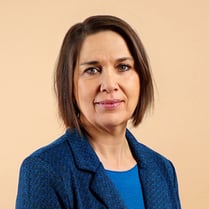
Sophie-Casanave-Policy-Analyst

Sophie Casenave

Senior Public Affairs Director, STX Group

Barthold

Barthold Rotgans

Sales Trader Inset Attributes, STX Group

Adam

Adam Havelka

Senior Business Development, STX Group